
In modern underwater engineering projects, such as offshore construction, subsea pipelines, tunnels, and marine environmental remediation, water quality control and contaminant removal are crucial for operational safety and environmental compliance. Activated carbon plays a key role due to its excellent adsorption capacity and versatility in various treatment scenarios.
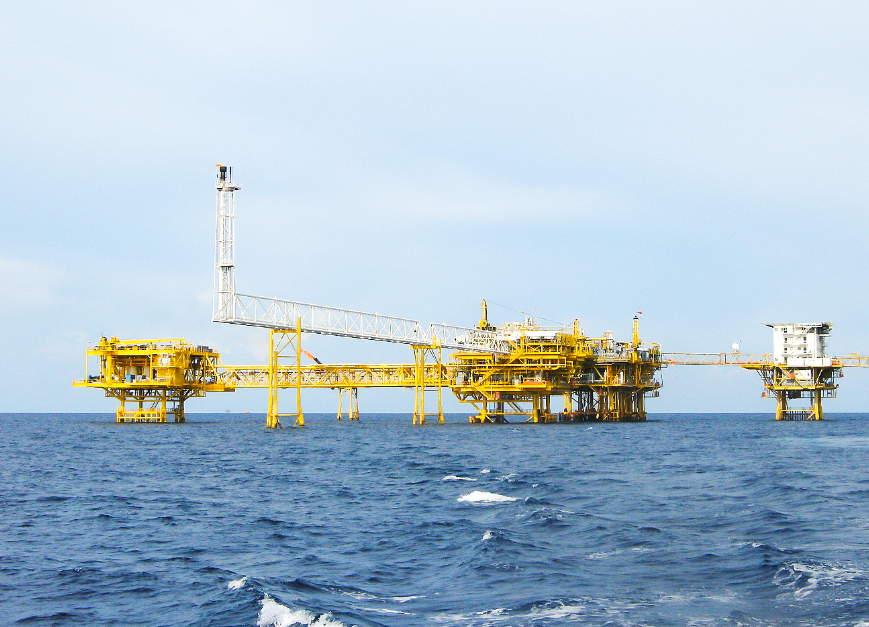
A client told me they have a large underwater infrastructure project requiring the efficient treatment of wastewater containing organic contaminants, oil, odor compounds, and trace chemicals generated during construction. The treatment system needs to operate reliably under varying flow rates, high turbidity, and limited installation space.
To meet diverse process conditions, we selected several types of activated carbon and applied them to different stages of the treatment system:
1. Coal-based Granular Activated Carbon (GAC)
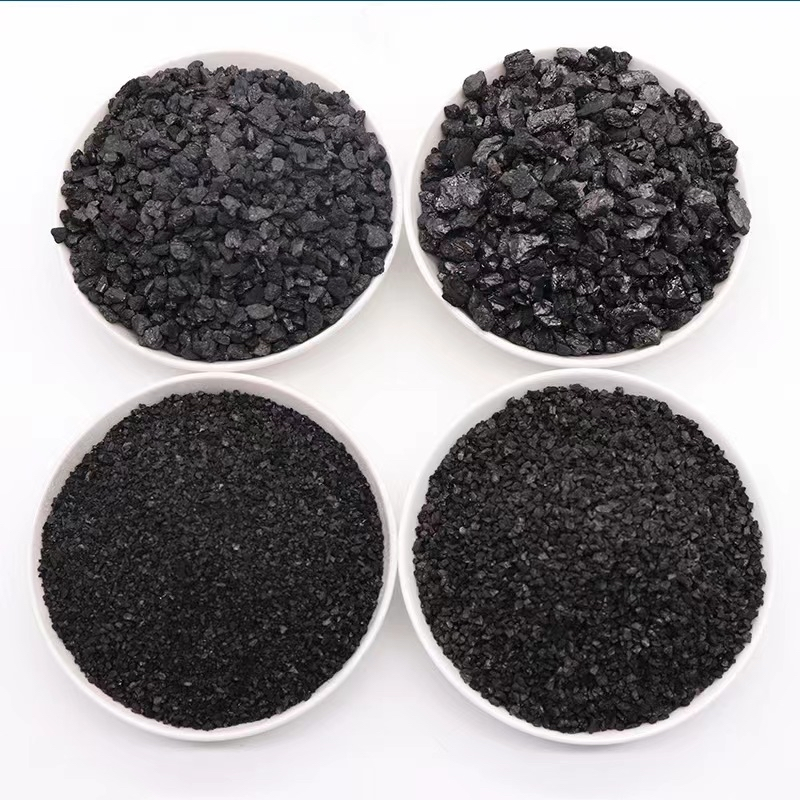
Applications: Continuous filtration systems (FRP filters, pressure vessels)
Granular Activated carbon is used as the primary filter media for removing large amounts of contaminants. Granular activated carbon (GAC) has a balanced pore size distribution (micropores + mesopores), effectively adsorbing dissolved organic matter, chlorine derivatives, and odor compounds.
Granular activated carbon offers several advantages:
High hardness, suitable for long-term operation
Low pressure drop, stable hydraulic performance
Suitable for high-flow-rate continuous systems
2. Pelleted Activated Carbon (Extruded Activated Carbon)
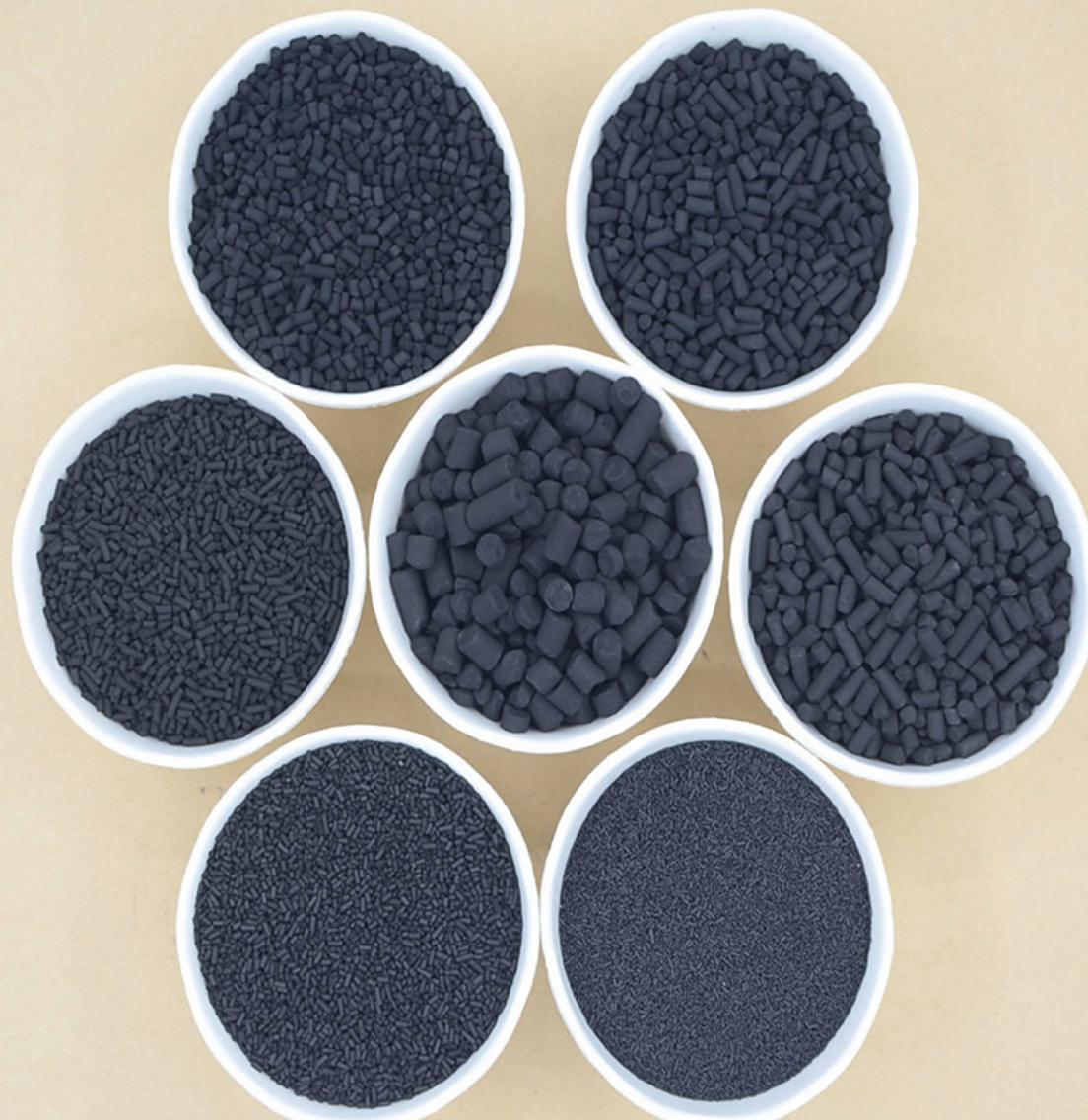
Applications: Gas treatment and odor control in enclosed underwater chambers
Pelleted Activated carbon, typically made from coal, has high hardness and is commonly used in air purification devices to treat volatile organic compounds (VOCs) and harmful gases released during underwater construction.
This extruded granular activated carbon offers several advantages:
Excellent mechanical strength and low dust generation
Uniform shape, optimizing airflow
Excellent for removing hydrogen sulfide (H₂S), volatile organic compounds (VOCs), and solvent vapors from wastewater
3. Powdered Activated Carbon (PAC)
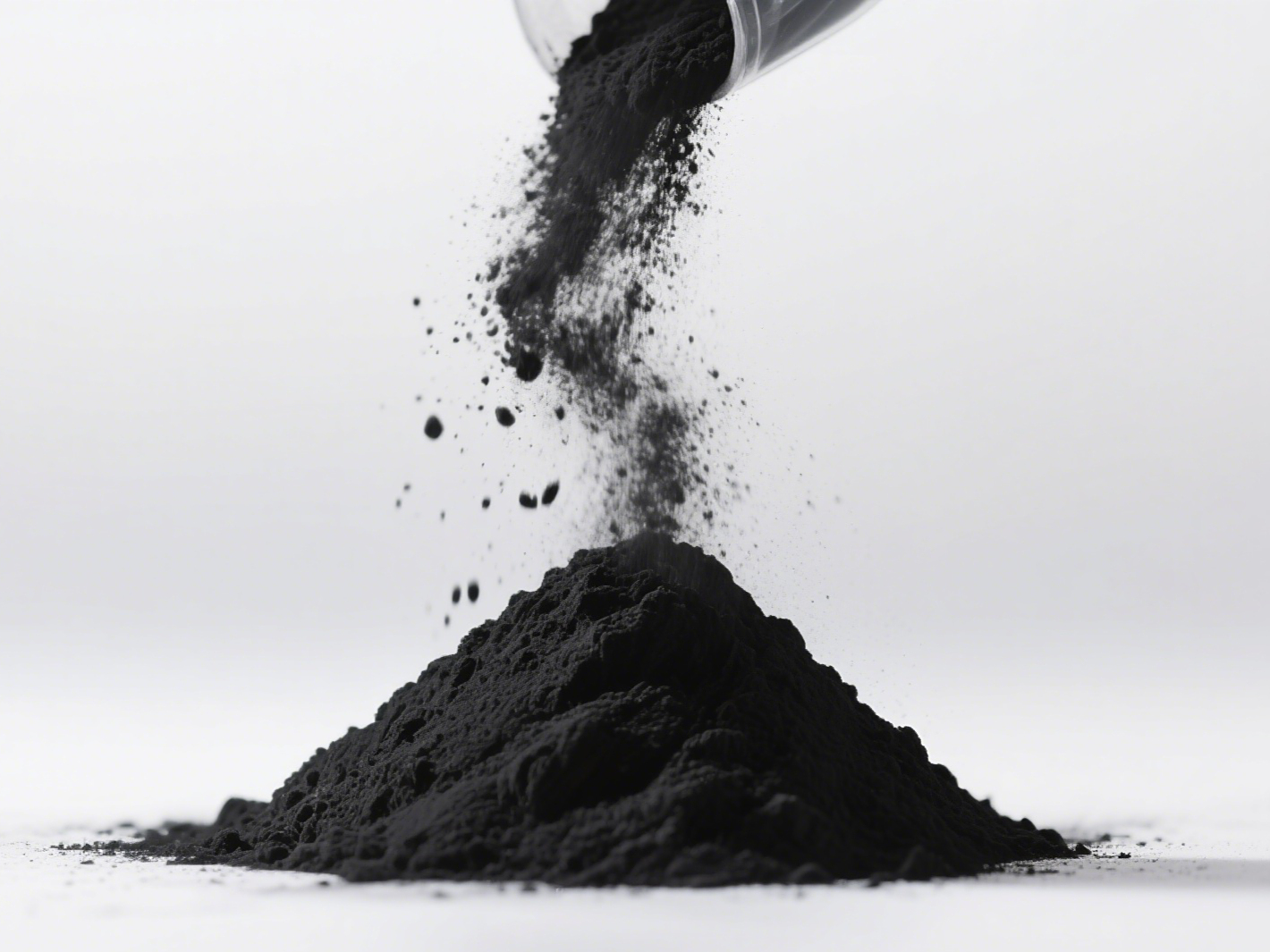
Applications: Emergency dosing and rapid pollutant removal
For sudden pollution spikes or fluctuations in pollutant concentrations, powdered Activated carbon can be directly added to water treatment systems. Its fine particle size gives it rapid adsorption kinetics, resulting in efficient removal of color and trace pollutants.
This powdered activated carbon offers several advantages:
Fast adsorption rate
Flexible dosing based on water quality
Effective removal of color, odor, and trace pollutants
4. Honeycomb Activated Carbon
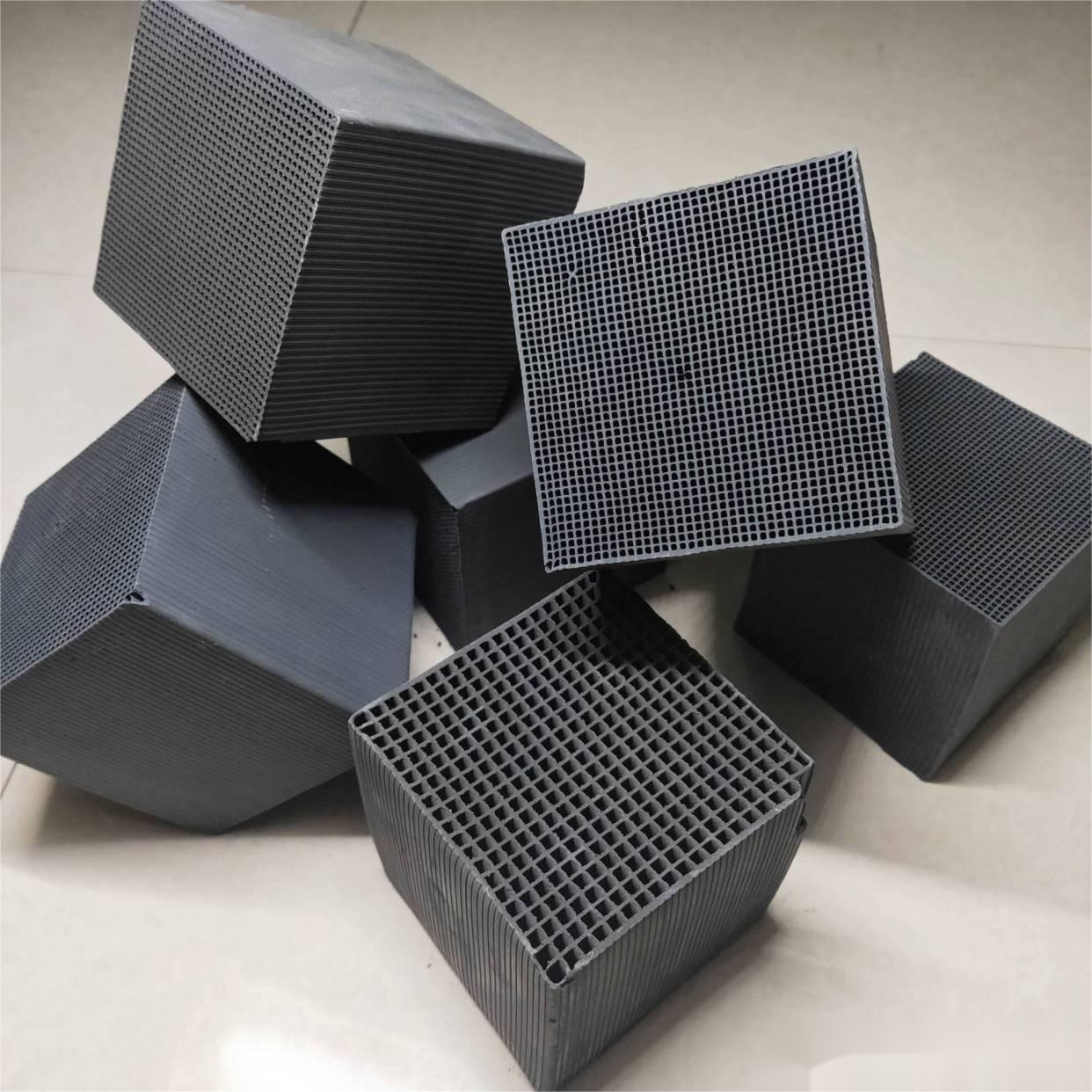
Applications: Compact systems and air purification modules in space-constrained environments
Honeycomb Activated carbon is used in compact filtration systems where space and airflow efficiency are critical. Its unique structural design ensures low resistance and high contact efficiency, making it suitable for treating both air and water vapor.
This honeycomb activated carbon offers several advantages:
Low airflow resistance
High adsorption efficiency in confined spaces
Customizable shapes for modular systems
By integrating multiple activated carbon types into a staged treatment system, this project achieved:
Significant reductions in Chemical Oxygen Demand (COD), Volatile Organic Compounds (VOCs), and odor compounds
Stable operation under varying underwater conditions
Extended service life and reduced replacement frequency
Compliance with environmental emission standards
This case demonstrates that selecting the appropriate activated carbon type for a specific application is crucial in underwater engineering projects. Customized combinations of granular, spherical, powdered, and honeycomb activated carbon ensure optimal performance, cost-effectiveness, and operational reliability.
If you are working on underwater or marine projects, our technical team can provide customized activated carbon solutions based on your specific water quality conditions and treatment objectives.
