How to Choose Activated carbon for Electroplating Wastewater Treatment
Electroplating wastewater is one of the most difficult industrial wastewaters to treat. It typically contains heavy metals, organic pollutants, oils, surfactants, cyanides, and unpleasant odors. Choosing the right activated carbon is crucial for improving water quality, reducing chemical oxygen demand (COD), and meeting environmental emission standards.
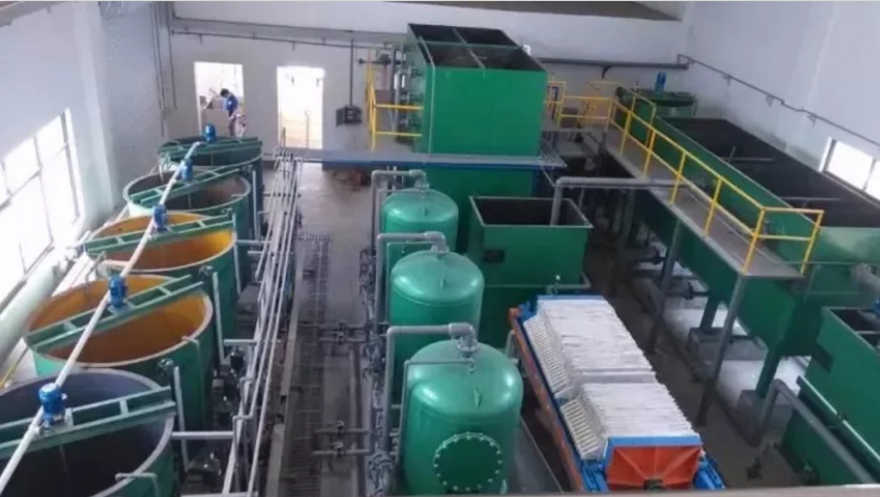
Electroplating wastewater originates from several sources: cleaning water from plated parts; water used for plating solution filtration and waste plating solution; various wastewater leaks caused by trough seepage or improper process management; rinsing wastewater used to wash floors, equipment, and equipment; and other wastewater, including laboratory drainage, equipment cooling water, and water used in the wastewater treatment process. Cleaning water from plated parts accounts for approximately 80% of the workshop wastewater discharge; water used for plating solution filtration and waste plating solution account for approximately 10%.
Why can Activated carbon be used for electroplating wastewater treatment?
Activated carbon is widely used in electroplating plant wastewater treatment systems due to its strong adsorption capacity and large specific surface area. It can effectively remove:
Residual organic pollutants
Chemical oxygen demand (COD)
Color and odor
Oils and greases
Trace heavy metal complexes
Surfactants and additives
Toxic compounds in electroplating chemicals
It is usually refined after chemical precipitation and filtration to further improve water quality.
Types of Activated Carbon for Electroplating Wastewater Treatment
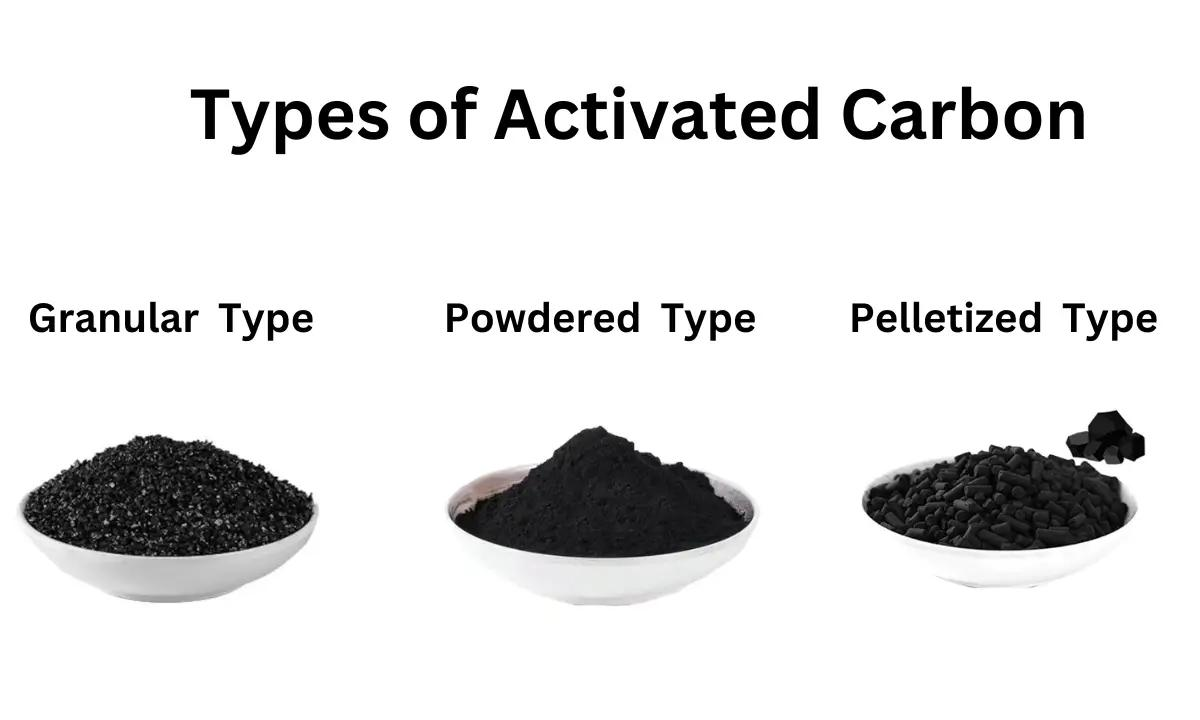
1. Powdered Activated Carbon (PAC)
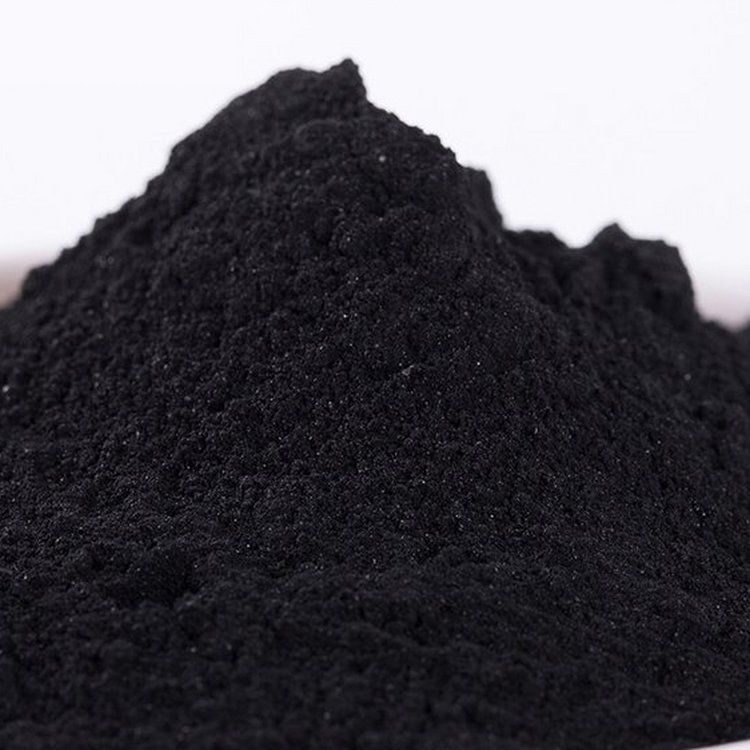
PowderedActivated carbonis commonly used in batch treatment systems and rapid adsorption applications.
Advantages:
Fast adsorption rate
Suitable for high COD wastewater
Easy to add to reaction tanks
Low short-term treatment cost
Recommended Applications:
Reducing COD
Removing color
Emergency wastewater treatment
Wastewater with large fluctuations in pollutant concentration
Typical Specifications:
Mesh size: 200 mesh / 325 mesh
Iodine value: 800–1100 mg/g
Low ash content is preferred
2. Granular Activated Carbon (GAC)
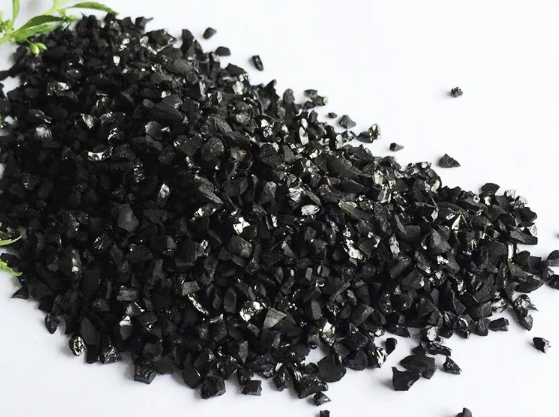
Granular Activated carbon is mainly used in filter columns and continuous treatment systems.
Advantages: Long service life, regenerable, suitable for continuous filtration, lower long-term operating costs
Recommended Applications: Final purification, circulating water systems, reverse osmosis pretreatment, heavy metal complex adsorption
Typical Specifications:
Mesh size: 8×30, 12×40, or 20×40; High hardness, low dust; Iodine value: 900–1200 mg/g
Comparison of Coconut Shell Activated Carbon and Coal-Based Activated Carbon:
Coconut Shell Activated Carbon
Best for: Water purification, low ash requirements, fine microporous adsorption, high adsorption efficiency
Advantages: Higher hardness, lower ash content, cleaner filtration performance, excellent removal of trace pollutants
Coal-Based Activated Carbon
Best for: Macromolecular adsorption, high chemical oxygen demand wastewater, low-cost industrial applications
Advantages: Larger pore structure, economical and suitable for large-scale applications, suitable for oily wastewater
Key Factors in Selecting Activated Carbon
1. Iodine Value
Iodine value reflects microporous adsorption capacity.
General Recommendations:
1. Iodine Value: 800–900: Standard industrial wastewater
1000–1200 Iodine Value: High-efficiency fine treatment
Higher iodine values generally indicate stronger adsorption performance.
2. Ash Content
Low ash content is crucial because excessive ash can lead to:
Increased impurities
Reduced adsorption efficiency
Secondary pollution
Recommendation:
Below 10% for water treatment applications
3. Hardness
High hardness reduces carbon loss during backwashing and transportation.
Recommendation:
Hardness ≥95% for granular activated carbon filtration systems
4. Particle Size
Different particle sizes affect filtration speed and adsorption efficiency.
Common Sizes:
PAC: 200 mesh/325 mesh
GAC: 8×30 mesh, 12×40 mesh, 20×40 mesh
Smaller particles result in faster adsorption speeds, but also greater pressure drop.
Common Problems in Electroplating Wastewater Treatment
**Rapid Activated Carbon Saturation**
Possible Causes:
Insufficient Pretreatment
High Oil Content
Inappropriate Pore Structure Selection
Solutions:
Improve Pretreatment Process
Select Activated Carbon with Larger Pore Size
Increase Filtration Stages
**High Operating Costs**
Possible Causes:
Poor Activated Carbon Quality
High Ash Content
Frequent Replacement
Solutions:
Select High-Hardness Activated Carbon
Use a Regenerable GAC System
Optimize Contact Time
For most electroplating plants:
Powdered activated carbon is ideal for rapidly removing Chemical Oxygen Demand (COD) and color.
Granular activated carbon is more suitable for continuous filtration systems.
Coconut shell activated carbon has excellent water purification performance.
Coal-based Activated carbon has a cost advantage when treating highly polluted wastewater.
Choosing the right activated carbon can significantly improve treatment efficiency, reduce operating costs, and help plants meet environmental regulations.
Choosing the correct specifications will maximize adsorption performance and extend service life.