
Coal-based GranularActivated carbon for Siloxane Removal: A Cost-Effective Solution
Siloxanes are among the most critical pollutants affecting equipment performance in biogas, landfill gas, and wastewater treatment systems. Although siloxanes are typically present in low concentrations, they are converted into hard silica (SiO₂) during combustion. This leads to deposits on engines, turbines, and heat exchangers, causing wear, reduced efficiency, and costly downtime.
Therefore, efficient and cost-effective removal of siloxanes has become crucial in the design of gas purification systems. Among various adsorbents, coal-based granular activated carbon (GAC), with lignite as its feedstock, is increasingly emerging as a highly competitive solution.
This coal-based granular activated carbon is an unimpregnated, granular, steam-activated activated carbon. It is specifically designed for the efficient removal of siloxanes and hydrogen sulfide (H2S) from landfill gas (LFG), anaerobic digester gas (ADG) from agricultural waste, and flue gas from wastewater treatment plants. Its high surface area within its expansive pore structure and efficient catalytic reaction capability enable high sulfur loading rates. Despite its high loading capacity, replacement is very simple. For customers requiring minimal overall cost reduction for siloxane, mercaptan, and H2S removal, coal-based granular activated carbon is undoubtedly the best choice.
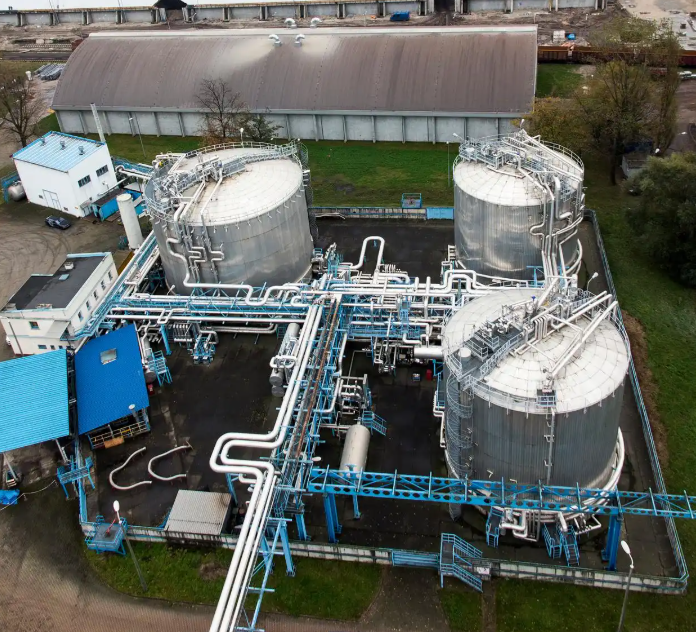
Coal-based Carbon Types for the Adsorption of Siloxanes in Landfill and Agricultural/Livestock Biogas Plants:
Bituminous Granular Carbon: With its rapid adsorption capacity, it is best suited for applications involving high concentrations and rapid processing requirements.
Anthracite Granular Carbon: With its exceptional hardness and stability, it is the ideal choice for low-concentration, long-term filtration applications.
Why are siloxanes difficult to remove?
Siloxanes (such as D4 and D5) are large organosilicon compounds with the following characteristics:
Large molecular size
High volatility
Strong chemical stability
Traditional activated carbons—especially those predominantly microporous (such as coconut shell activated carbon)—are unable to effectively adsorb these larger molecules due to their small pore size, resulting in poor adsorption performance.
Recommended Products and Applications:
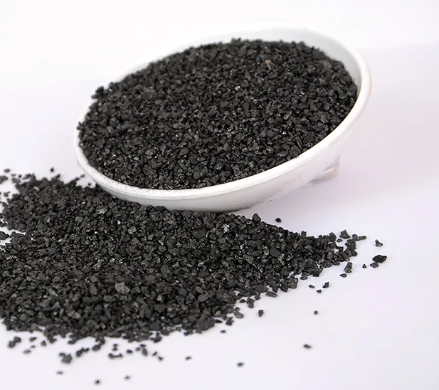
YiHang Fine-Granule Coal-Based Activated Carbon (12x40 Mesh): An agglomerated coal-based activated carbon, renowned for its high hardness and effective capacity for pollutant removal.
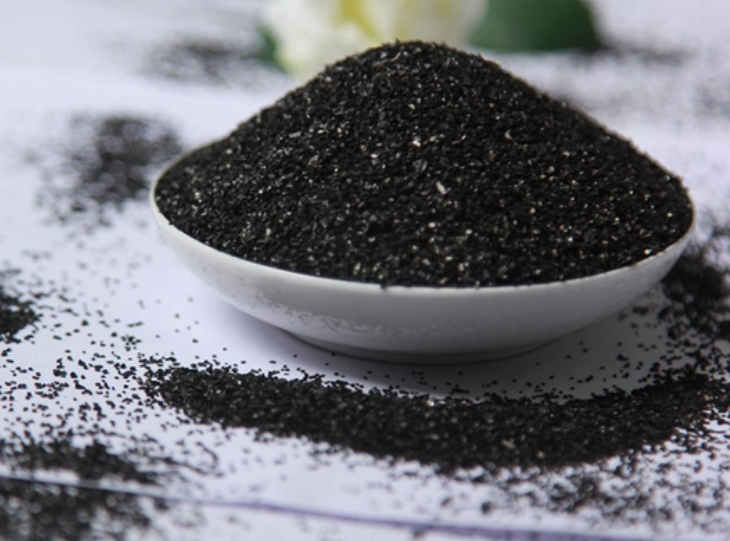
YiHang Crushed-Briquette Coal-Based Activated Carbon (8x30 Mesh): A high-density, high-activity activated carbon capable of efficiently removing impurities and organic compounds; it is frequently utilized in applications such as industrial landfill leachate treatment.
Key Advantages of Lignite Granular Activated Carbon
Lignite-based activated carbon is made from low-rank coal through controlled activation. Its unique pore structure makes it particularly suitable for removing siloxanes.
1. Developed Mesoporous Structure
Lignite activated carbon is rich in mesopores (2-50 nm), which:
Can accommodate larger siloxane molecules, such as D4 and D5
Increase adsorption capacity
Extend service life
This is the main advantage of lignite activated carbon over coconut shell activated carbon.
2. Balance of Performance and Cost
Compared to other types of activated carbon:
Lower cost than coconut shell activated carbon
Superior adsorption performance for siloxanes compared to standard coal-based activated carbon
This makes it highly attractive for large-scale industrial applications.
3. Better Adaptability to Complex Gas Compositions
In practical applications, such as landfill gas and biogas, the gas composition is often complex and may contain:
Hydrogen sulfide (H₂S)
Moisture
Volatile organic compounds (VOCs)
Lignite activated carbon performs more reliably under these conditions and is less prone to rapid deactivation.
Typical Applications
Lignite granular activated carbon is widely used in:
Landfill gas (LFG) treatment
Biogas power generation systems
Gas purification in wastewater treatment plant digesters
Treatment of industrial waste gas containing siloxanes
Typical applications include:
As a pretreatment stage for engine protection
Key Engineering Considerations
Choosing the right material alone is not enough—system design is equally crucial for achieving optimal performance:
1. Pretreatment is critical
Before the gas enters the Activated carbon bed, it is strongly recommended to remove:
Hydrogen sulfide (using iron oxide desulfurizer)
Moisture (through condensation or drying)
Otherwise, the lifespan of the activated carbon will be significantly shortened.
2. Controlling gas flow rate
Recommended apparent gas flow rate:
0.1 – 0.3 m/s
This ensures sufficient contact time for effective adsorption.
3. Replacement Cycle
Typical Replacement Cycle:
3–6 months, depending on operating conditions
Significantly affected by siloxane concentration (typically 5–50 mg/m³)
Typical Specifications (for reference)
Lignite activated carbon used for siloxane removal typically has the following characteristics:
Particle Size: 3–6 mm or 4–8 mesh
Specific Surface Area: 700–900 m²/g
Mesoporosity: ≥40% (key parameter)
Hardness: ≥90%
Ash Content: ≤15%
Important Note:
For siloxane removal, pore size distribution is more important than iodine value.
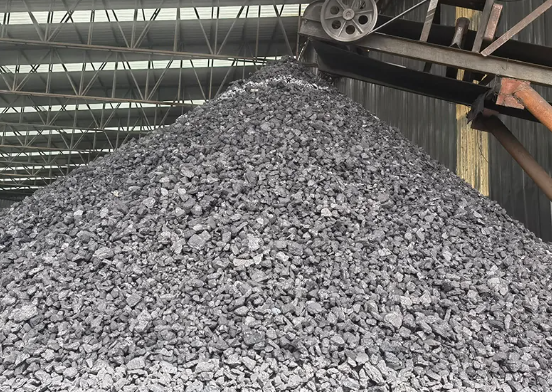
Compared to other types of Activated carbon, lignite-based granular activated carbon has a significant advantage in siloxane removal due to its unique pore structure. Coconut shell activated carbon is mainly composed of micropores and has excellent adsorption effects on small molecules, but its adsorption effect on larger siloxane compounds such as D4 and D5 is poor. Standard coal-based activated carbon possesses both micropores and mesopores, exhibiting moderate adsorption performance. In contrast, lignite activated carbon contains a higher proportion of mesopores, thus enabling it to more effectively adsorb larger siloxane molecules. This results in lignite activated carbon having a higher adsorption capacity, longer service life, and better cost-effectiveness, making it particularly suitable for demanding applications such as biogas and landfill gas treatment.
