
How to choose Activated carbon for Spray Booth
Spray booths are essential facilities in automotive, furniture, aerospace, and industrial painting operations. They provide a controlled environment for painting and coating work, but also generate significant amounts of volatile organic compounds (VOCs), overspray particles, and harmful air pollutants. Effective air filtration is not only a regulatory requirement but also crucial for worker safety, environmental protection, and improved operational efficiency.
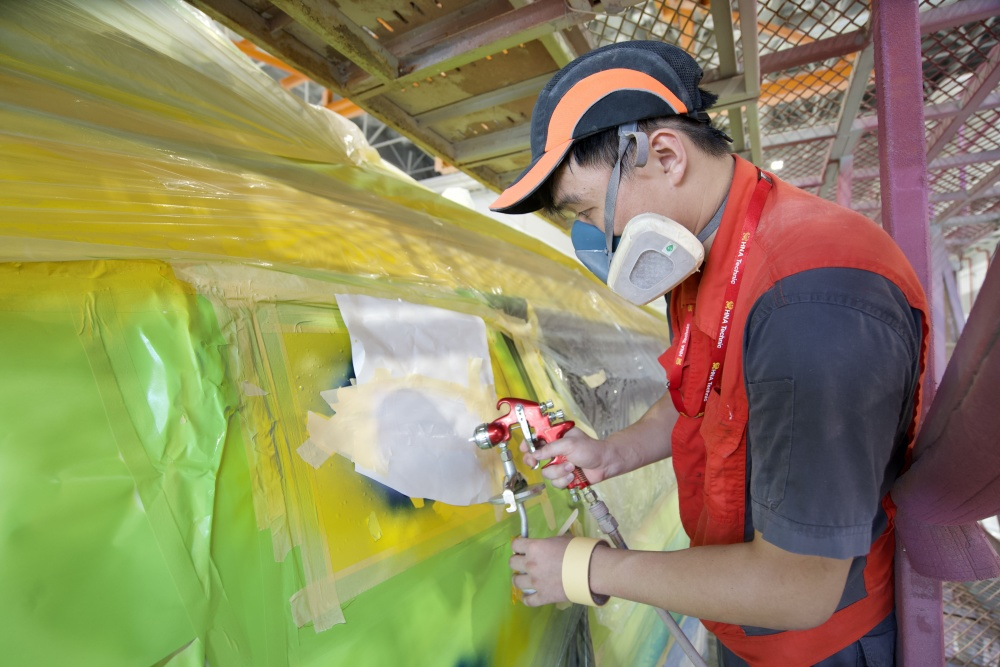
Activated carbon filtration has become a common method for removing VOCs in spray booths. Granular and honeycomb activated carbon are preferred. This article will explore the applications of these two types of activated carbon in spray booth settings.
Understanding Spray Booth Emissions
Spray booth operations generate a complex mixture of air pollutants:
Volatile Organic Compounds (VOCs): Paint solvents such as toluene, xylene, acetone, and ethyl acetate evaporate during spraying and curing. These compounds account for 40-70% of the paint formulation volume and are the primary target of activated carbon filtration.
Overspray Particles: Tiny paint droplets that do not adhere to the target surface become particulate matter in the air. While pre-filters can typically capture these particles, some finer particles (less than 10 microns) can still reach the activated carbon filter, reducing its filtration efficiency.
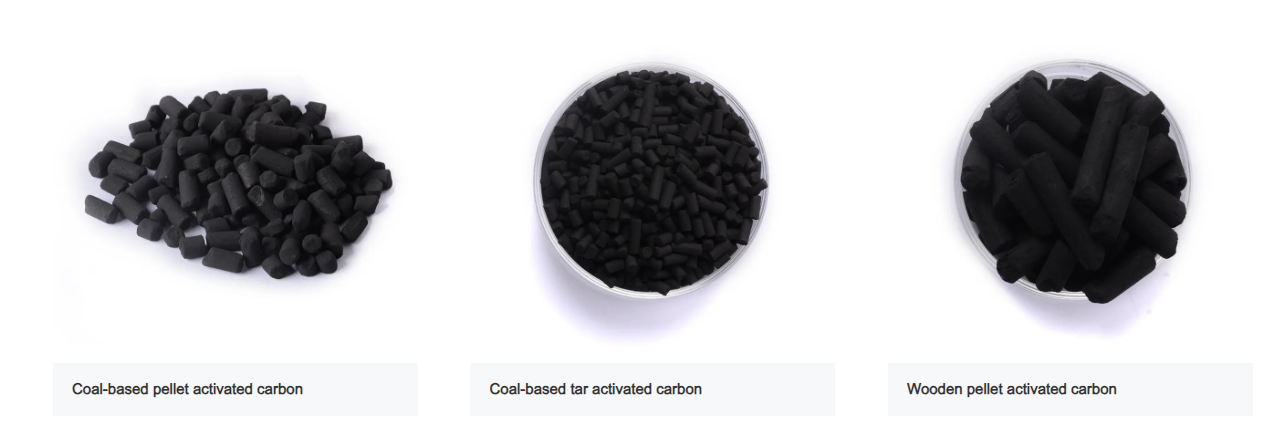
Mixed Solvent Streams: Unlike single-stage chemical industrial processes, paint booths simultaneously emit dozens of different volatile organic compounds (VOCs). Your activated carbon must have broad-spectrum adsorption capabilities to handle this diversity.
Granular Activated Carbon for Paint Booths
What is Granular Activated Carbon?
Granular Activated carbon is made from cylindrical extruded granules. It is produced by mixing carbonaceous materials (typically coal, coconut shells, or wood) with a binder, extruding them through a die, and then activating them at high temperatures (800-1000°C). The final product is uniform, durable cylindrical granules with excellent mechanical strength and predictable performance characteristics.
Granular Activated Carbon Parameters
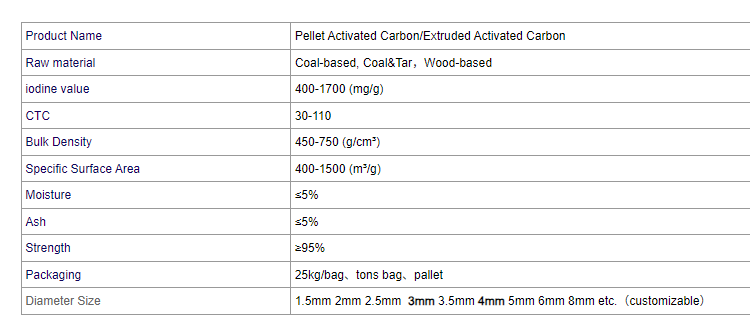
Performance Parameters:
Adsorption Capacity: Adsorption capacity for typical paint solvents (toluene, xylene, acetone) is 25-35% (by weight).
Working Capacity under Actual Operating Conditions: 15-25% (considering humidity, mixed volatile organic compounds, and competitive adsorption).
Application of Honeycomb Activated Carbon in Spray Booths
What is Honeycomb Activated Carbon?
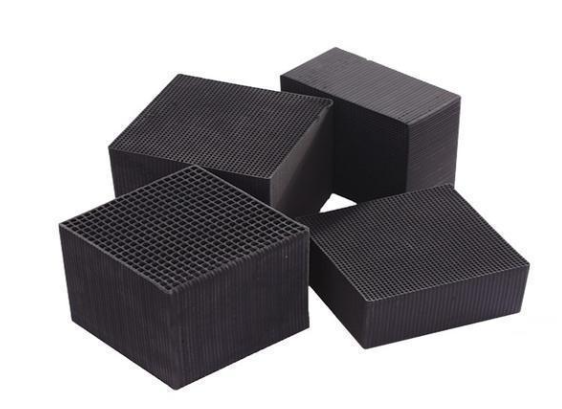
Honeycomb activated carbon is an innovative type of activated carbon that structures activated carbon into a monolithic block structure containing hundreds of parallel channels, similar to a catalytic converter. Its structure resembles a honeycomb, with square, hexagonal, or triangular honeycomb units running throughout the block structure.
Manufacturing Process:
The manufacturing of honeycomb activated carbon involves a series of complex processes:
Powder Preparation: Activated carbon powder is mixed with a binder (usually clay, cellulose, or synthetic polymer) and water to form a plastic paste.
Extrusion: The paste is extruded through a precision die containing hundreds of needle-like arrays to form a honeycomb channel structure.
Drying: The extruded blocks are carefully dried to remove moisture and maintain their structural integrity.
Carbonization: The blocks are heated to 400-600°C in an oxygen-deficient environment to carbonize the binder.
Activation: Activation with steam or carbon dioxide at 800-900°C is performed to increase porosity and specific surface area.
Quality Control: The blocks are inspected, measured, and tested for adsorption performance.
The final product is a rigid, self-supporting structure that combines the adsorption properties of activated carbon with excellent airflow characteristics.
Standard Specifications for Spray Booth Applications
Physical Structure:
Block Dimensions:
Standard Block Dimensions: 100×100×100 mm (most common), 150×150×100 mm also available
Wall Thickness: 0.4-1.0 mm (Thinner walls provide larger open area, thicker walls provide strength)
Pore Density: 100-400 pores/square inch (CPSI)
100 CPSI: Low pressure drop, small surface area per unit volume
200 CPSI: Industry standard for spray booth applications
300-400 CPSI: Maximum surface area, high pressure drop
Both types of activated carbon are suitable for spray booths. Customers can choose the appropriate activated carbon based on their specific needs.
Conclusion
Need help choosing the right Activated carbon technology for your spray booth application? Contact us, and we can provide a detailed analysis based on your actual operating conditions and help you resolve technical and economic considerations to achieve the best results.
